Why Site Grading Matters Before Construction Begins
Why Grading Is Critical to Successful Site Preparation
Before roads, utilities, buildings, or homesites can take shape, the land itself has to be prepared to support everything that follows. Site grading is one of the most important parts of that preparation because it establishes elevations, drainage patterns, slopes, building areas, roads, and other critical features of a development. At Prestige, proper planning and site preparation are treated as foundational parts of creating dependable, build-ready property.
Done correctly, grading helps construction proceed efficiently while reducing the likelihood of drainage problems, unstable surfaces, erosion, and costly corrective work. Understanding how the process works can help developers, builders, landowners, and municipal partners make better decisions before major construction begins.
What Is Site Grading?
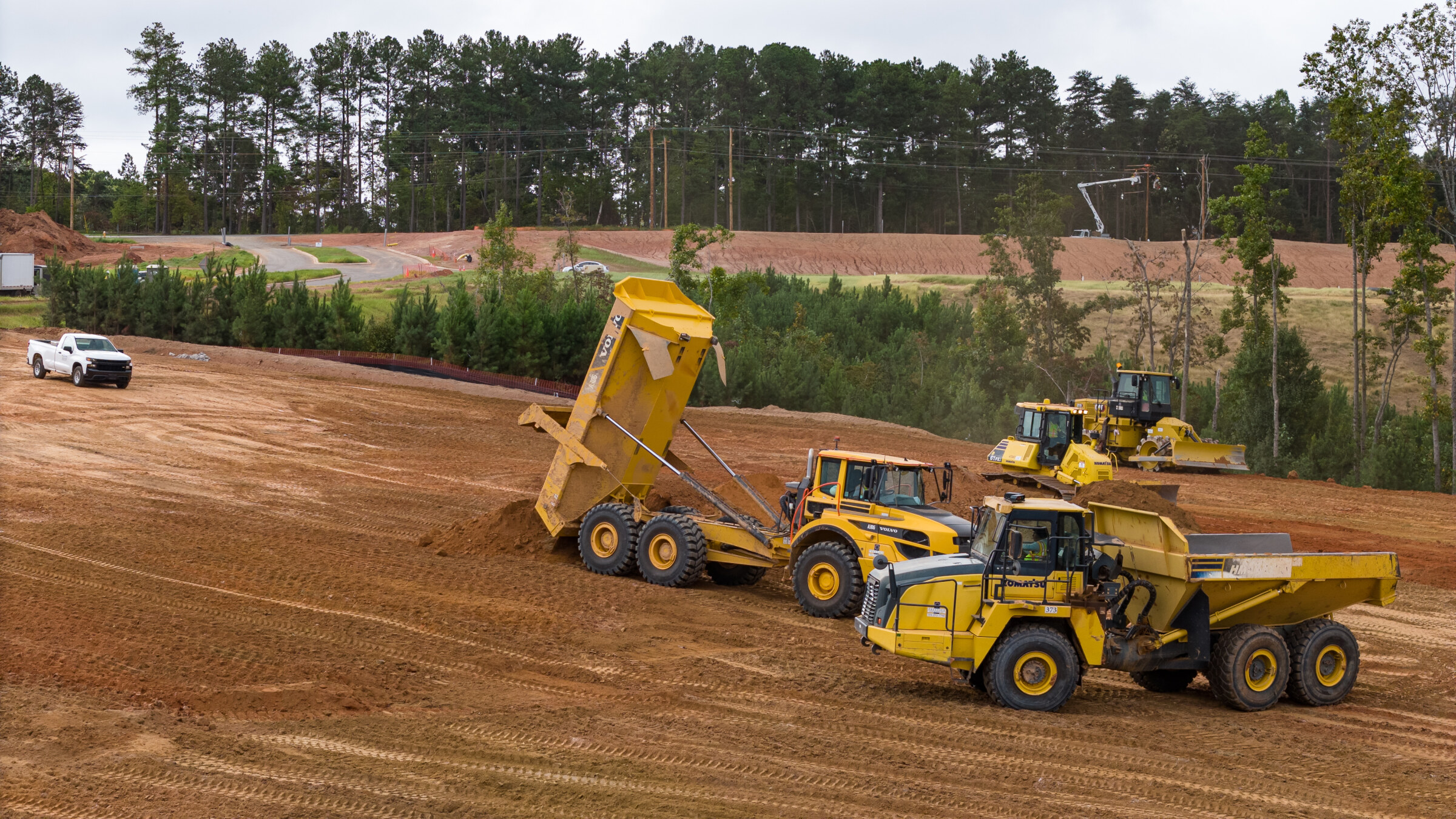
Site grading is the process of shaping and leveling land according to engineered construction plans. Crews move, remove, compact, or place soil to create the elevations and slopes required for the proposed development.
Depending on the project, grading may establish:
- Building pads and homesites
- Streets and access roads
- Parking areas
- Utility corridors
- Sidewalk areas
- Drainage channels
- Retention or detention areas
- Slopes and embankments
Grading is therefore much more precise than simply leveling a piece of property. The finished terrain must work with the design of the entire development.
Why Site Grading and Drainage Work Together
One of the most important purposes of site grading is controlling how water moves across a property.
Water naturally follows changes in elevation. If those elevations are incorrect, stormwater may collect near structures, flow across roads, erode slopes, overwhelm drainage features, or affect neighboring properties.
Proper grading directs runoff toward planned storm drainage systems, swales, ponds, catch basins, and other management features. It also helps establish positive drainage away from building areas.
For residential communities, commercial properties, industrial sites, and municipal projects, carefully coordinated grading and drainage can help reduce long-term maintenance concerns and protect completed infrastructure.
Grading Helps Create Stable Construction Areas
Construction requires more than reaching the correct elevation. The soil supporting roads, utilities, pavement, structures, and other improvements also needs appropriate stability.
During site grading, unsuitable material may need to be removed while fill material is placed and compacted according to project requirements. Proper soil compaction helps create a stable base for the improvements that will follow.
Poorly prepared soil can contribute to settlement, pavement problems, uneven surfaces, drainage issues, and additional construction costs.
This is why excavation, earthwork, soil conditions, moisture, compaction, and grading should be considered together rather than as unrelated tasks.
Rough Grading and Fine Grading Serve Different Purposes
Most projects require grading to occur in stages.
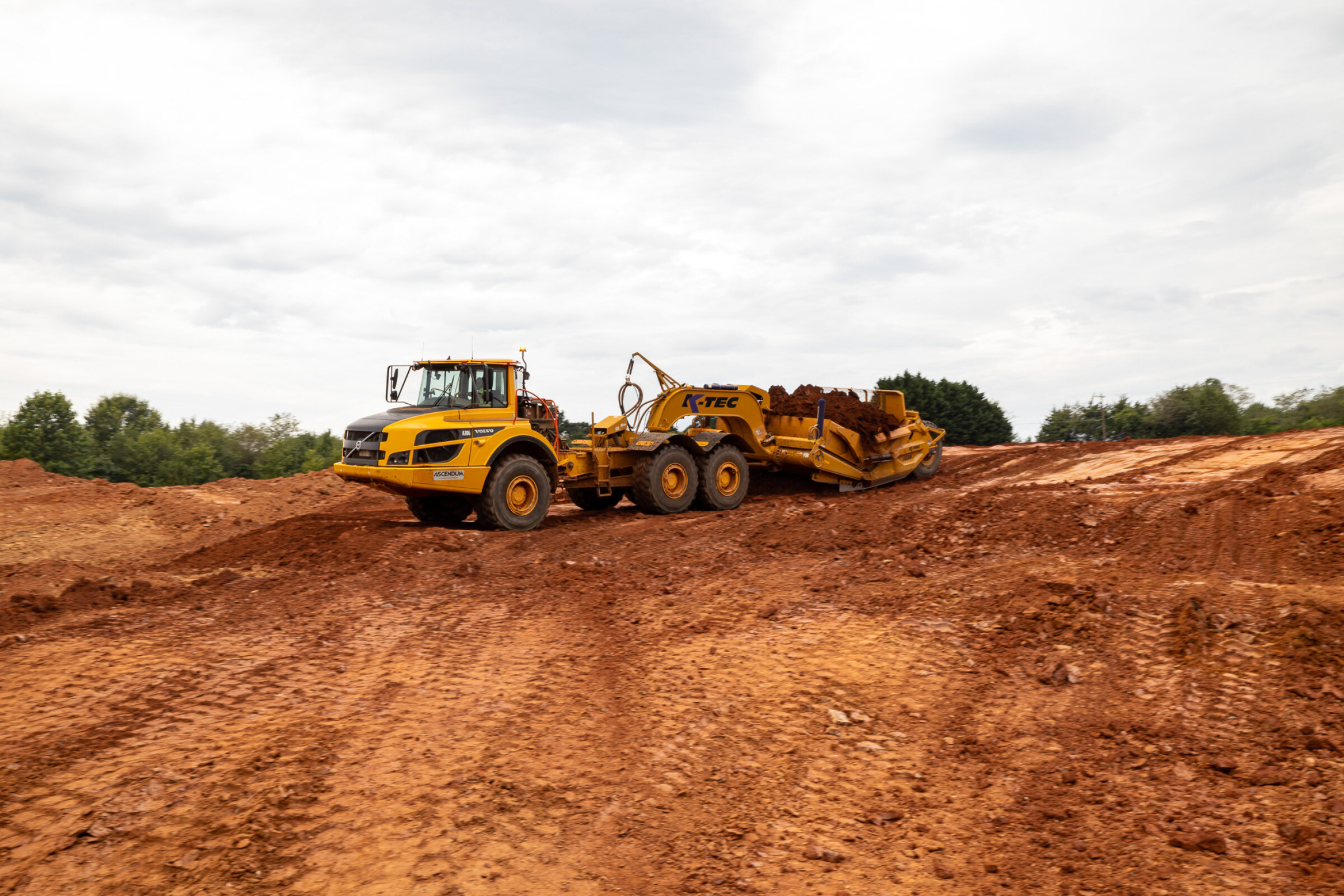
Rough grading establishes the major elevations and overall shape of the site. Large quantities of earth may be moved to create roads, lots, building pads, slopes, stormwater facilities, and other major site features.
Fine grading provides more precise final elevations and surface preparation for items such as pavement, concrete, landscaping, and finished areas.
Effective site grading requires both phases to align with construction plans and the work occurring elsewhere on the property.
Site Grading Must Be Coordinated With Utilities
Underground infrastructure makes proper sequencing especially important.
Water lines, sewer systems, storm drainage, natural gas infrastructure, electrical conduit, and telecommunications systems can all occupy different elevations beneath a development.
If site grading and utility installation are not coordinated, crews may encounter conflicts, unnecessary excavation, rework, or disruptions to the construction schedule.
Prestige’s integrated approach to site works allows grading, excavation, drainage, utilities, and related infrastructure activities to be viewed as connected parts of the larger project rather than isolated tasks.
Erosion Control Is Important While Grading Is Underway
Moving large amounts of soil temporarily leaves areas vulnerable to erosion.
Construction teams use erosion and sediment control measures to help keep disturbed soil on the project site and reduce impacts on adjoining properties, stormwater systems, and waterways.
Measures may include silt fencing, stabilized entrances, sediment basins, temporary seeding, diversion measures, and other controls appropriate to the project.
Because site grading changes natural drainage patterns, erosion control measures often need to evolve as construction progresses.
Local Conditions Can Affect Grading Decisions
Properties throughout North Carolina and South Carolina can present very different grading challenges.
Topography, rainfall, existing drainage, soil composition, environmental features, road access, neighboring development, and municipal requirements can all influence the amount and type of earthwork required.
Projects around Charlotte, NC, Raleigh, Greensboro, Greenville-Spartanburg, and Columbia may therefore require different approaches even when the finished developments appear similar.
Local experience helps project teams identify these conditions early and incorporate them into the broader land development process.
What Can Happen When Site Grading Is Poorly Planned?
Problems caused by improper grading may not always become obvious immediately.
Potential consequences include:
- Standing water
- Erosion
- Unstable slopes
- Settlement
- Poor roadway drainage
- Pavement deterioration
- Utility conflicts
- Excessive earthwork
- Construction delays
- Corrective grading costs
Addressing these problems later is typically more disruptive than identifying them during preconstruction planning.
A coordinated approach to site grading helps contractors work toward the correct elevations, drainage patterns, and infrastructure relationships from the beginning.
Frequently Asked Questions
-
1. What is site grading?
Site grading is the process of shaping land to the elevations and slopes specified in construction plans. It prepares areas for roads, buildings, utilities, drainage systems, parking areas, homesites, and other development improvements.
-
2. Why is site grading important before construction?
Site grading is important because it establishes proper drainage, elevations, and stable construction areas. Poor grading can contribute to standing water, erosion, settlement, infrastructure conflicts, pavement problems, and costly rework.
-
3. What is the difference between rough grading and fine grading?
Rough grading establishes the major shape and elevations of a development, while fine grading creates more precise finished surfaces. Rough grading typically handles larger earthmoving operations, while fine grading prepares areas for pavement, concrete, landscaping, and final improvements.
-
4. How does site grading affect drainage?
Site grading determines how stormwater flows across a property. Proper slopes help direct runoff away from structures and toward planned storm drains, swales, retention areas, detention facilities, and other stormwater infrastructure.
-
5. When does site grading occur during land development?
Site grading generally begins after required planning, engineering, approvals, and preconstruction preparation have advanced sufficiently for earthwork to begin. Grading may continue in stages as utilities, roads, drainage systems, and other infrastructure are installed.
Building a Better Project From the Ground Up
Successful land development depends on hundreds of decisions made before vertical construction ever begins. Among the most important is how the site will be shaped to support drainage, infrastructure, roads, structures, and long-term use.
Proper site grading creates the physical framework for those improvements. When grading is coordinated with engineering, drainage, excavation, erosion control, utilities, and construction sequencing, the entire project has a stronger foundation for success.
Prestige provides land development and site work expertise for residential, commercial, industrial, mixed-use, and municipal projects throughout the Carolinas. If you are evaluating a property or preparing for an upcoming development, contact Prestige to discuss how thoughtful site preparation can help move the project from plans to build-ready property.

Let’s Build Something Together.
Let’s Talk About Your Land’s Potential
Partner with Prestige and discover what working with a premier land developer can achieve. We are ready to turn your vision into reality.